Cross-Merchandising Strategies To Increase Basket Size
June 17, 2026
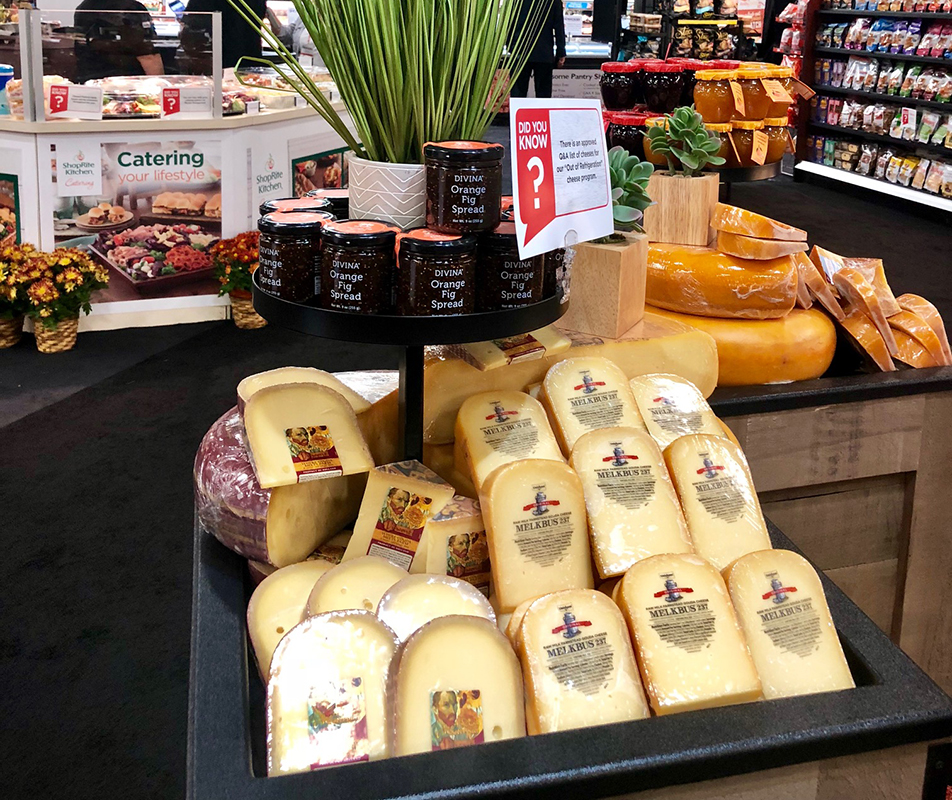
Growing basket size isn’t just about adding more products to the shelf, it’s about designing intentional shopping experiences that inspire customers to discover complementary products and solutions. Savvy retailers know how powerful cross-merchandising is as one of the most effective tools to increase shopper interest and get the most out of every square foot of selling space.
Merchandising Around Moments, Not Departments
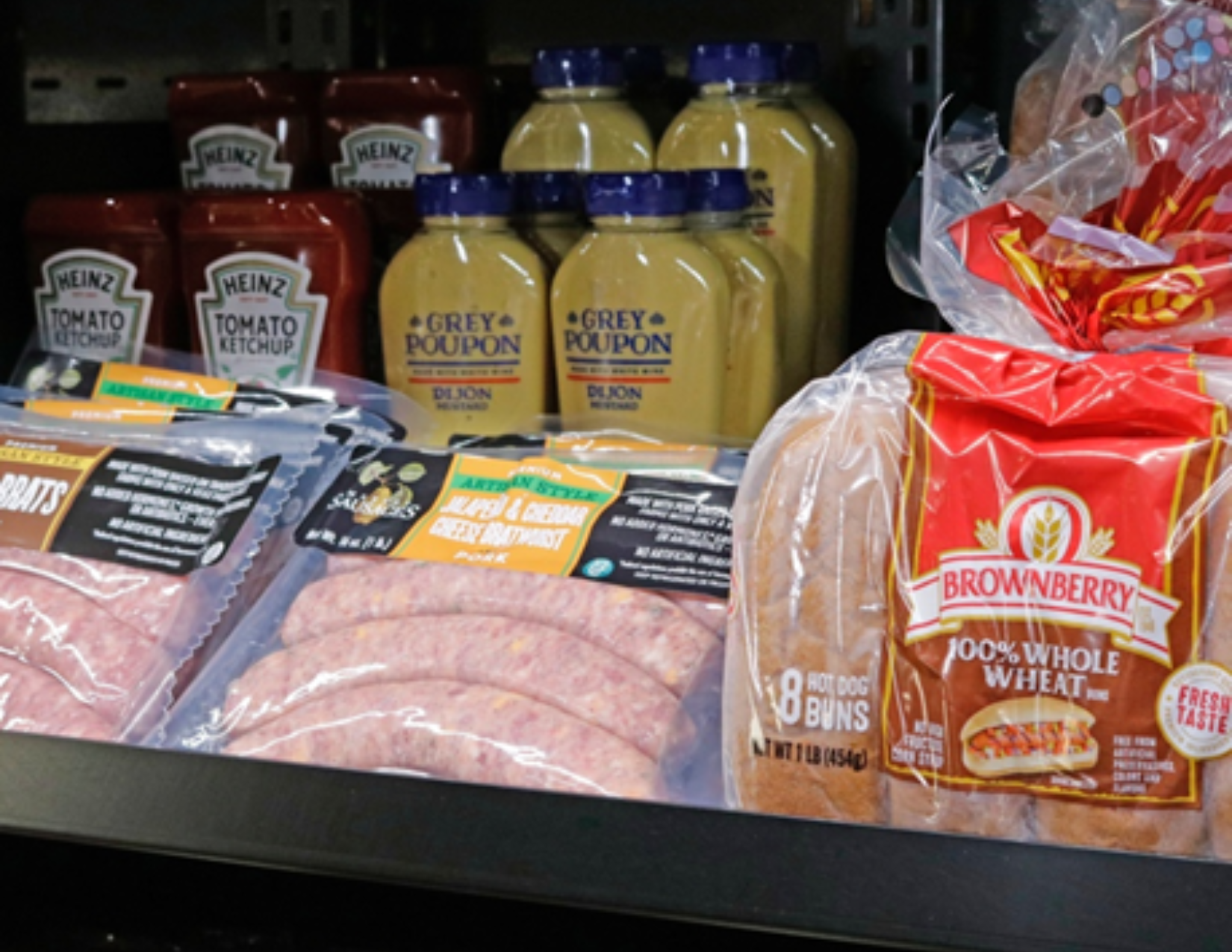
One of the best cross-merchandising strategies is to think outside the product categories and think about how customers shop. Consumers don’t think in terms of departments, they think in terms of meals, events, celebrations and everyday needs. A berry buyer may also be looking for toppings, bakery items, or beverages to serve guests. The shopper who buys flowers may be preparing for a celebration, gift-giving occasion, or a home refresh. Seasonal events are particularly good opportunities. Cross-merchandising is a natural fit for summer grilling, holiday entertaining, back-to-school lunches, game-day gatherings and spring celebrations.
Strategic placement is just as important. Retailers often find complementary products perform best when placed in high-traffic locations where shoppers already spend time. Department entrances, promotional areas, perimeter pathways, and checkout-adjacent spaces can all increase visibility and create opportunities for additional purchases.
When related products are grouped together it makes it easier to decide what to buy and makes the other purchases feel organic, not forced. The trick is to focus on solving a shopper need, not just grouping products. When merchandising strategies focus on meal solutions, seasonal moments or lifestyle occasions, shoppers are more likely to engage with the display and add multiple items to their cart.
Showcasing Better Product Visibility
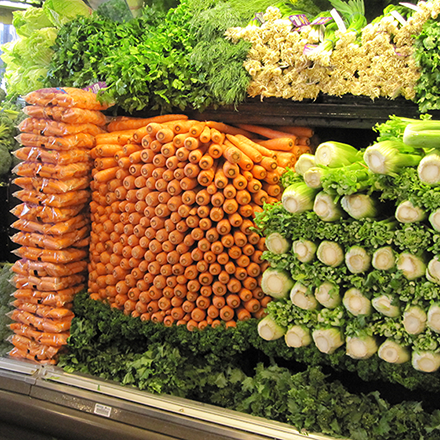
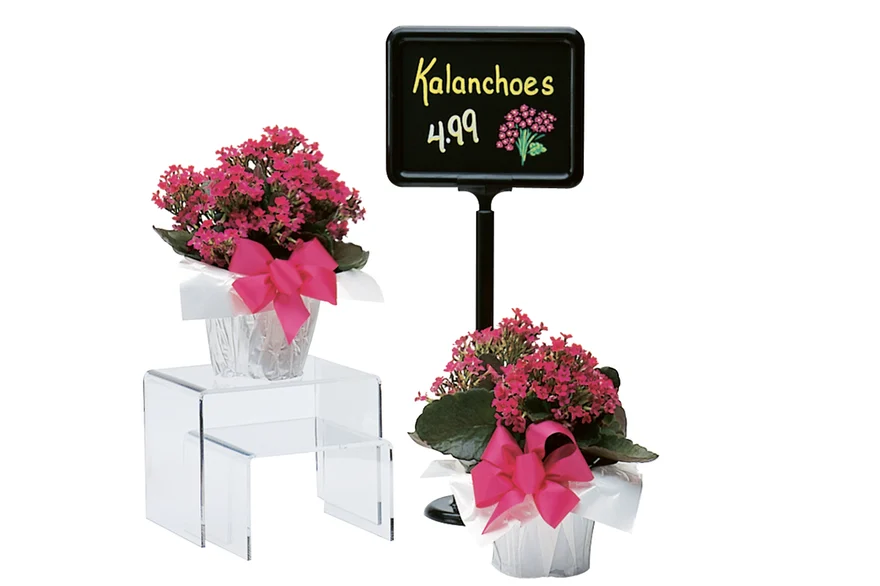
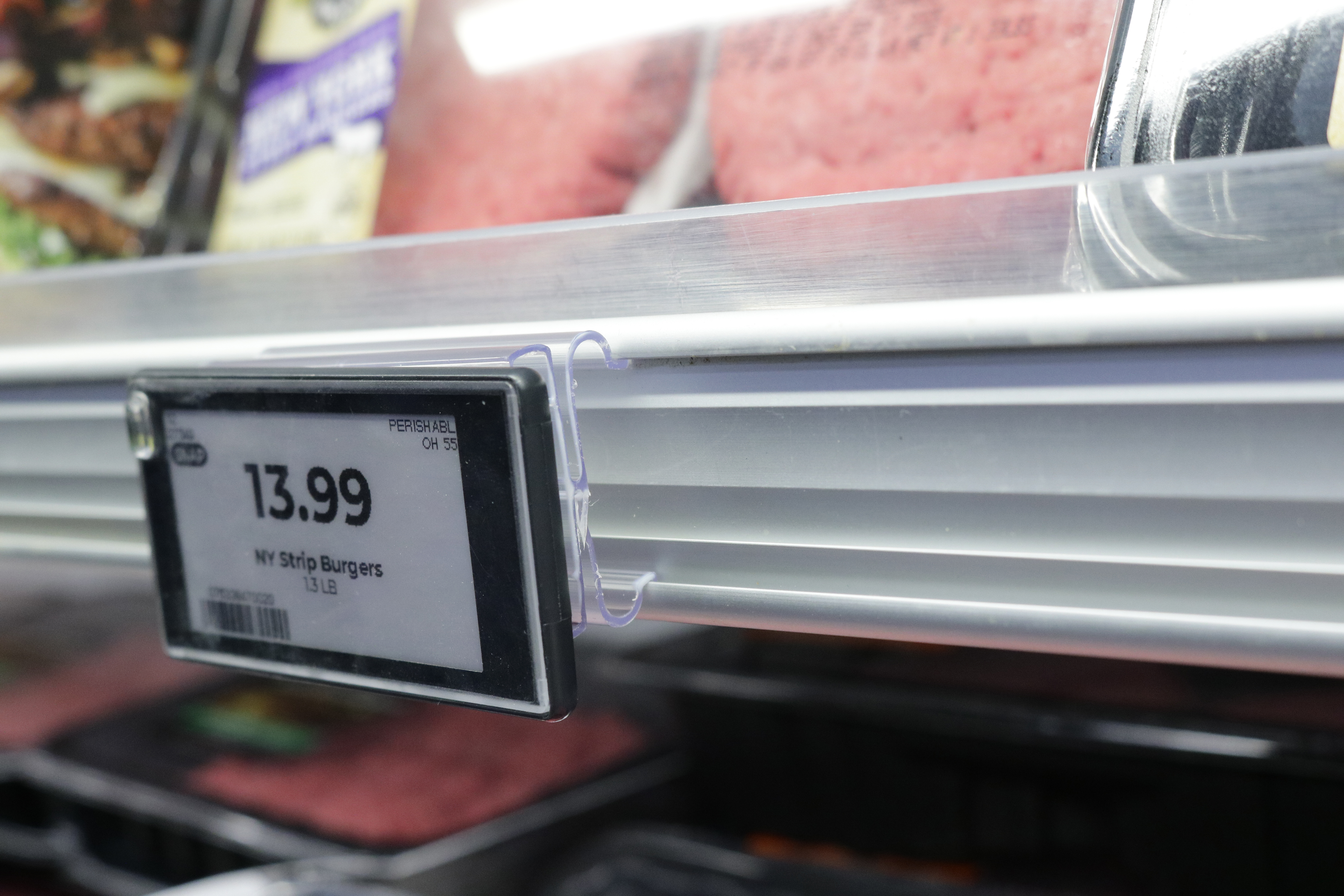
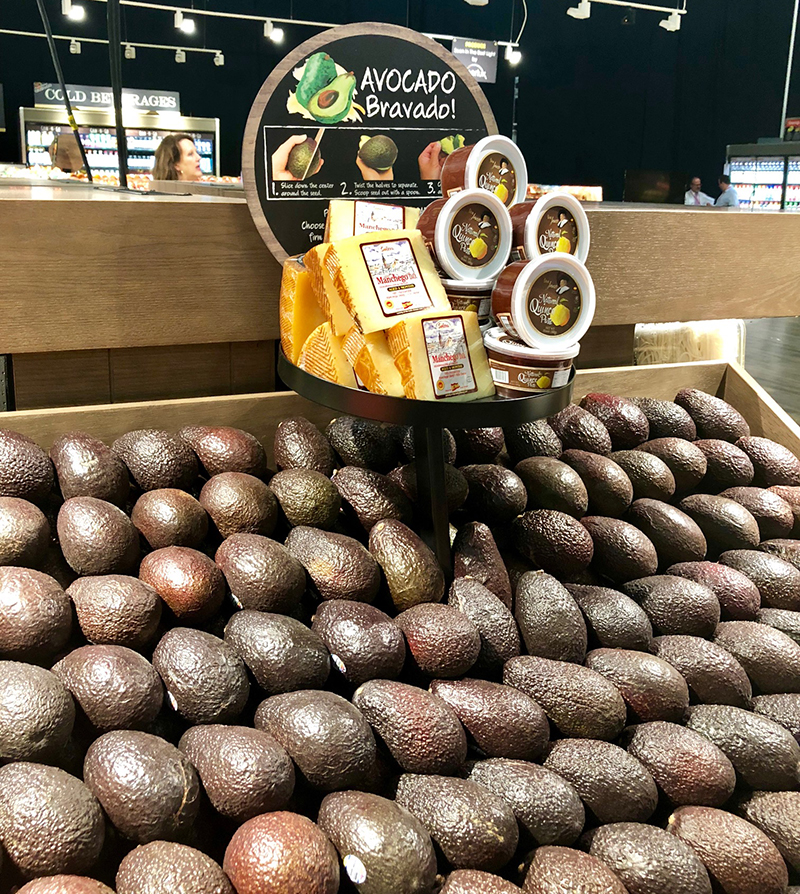
From a merchandising perspective, presentation matters just as much as placement. Successful cross-merchandising programs rely on clear visual connections between products. Displays should feel purposeful, organized, and easy to shop. The best cross-merchandising displays don’t simply line up products side-by-side—they tell a story. Successful displays create a visual destination that speaks purpose. Color, height change, strong product blocking, easy-to-read signs and clear product relationships all help shoppers see how products go together. A display should ask, “Why are these things together?” and not require an explanation.
Strong sightlines, consistent product facing, logical product groupings, and attractive presentation all help shoppers quickly understand how products relate to one another. When customers can easily see, access, and compare products, they spend less time searching and more time purchasing. The location is also important. Entrances, perimeter pathways, promotional spaces, secondary placements and checkout-adjacent areas often yield strong results, as they come in front of shoppers at natural pauses in the shopping journey. These high-profile touchpoints provide an opportunity to upsell products customers didn’t come in to buy.
Turning Insights Into Incremental Sales
Merchandising is not a one-time initiative, but a performance strategy used by retailers consistently growing basket size. Experimenting with different product groups, display positions, and promotional ideas can lead to some great insights into customer behavior. By tracking attachment rates, sales lift, seasonality, and traffic patterns, retailers can determine which merchandising mixes deliver the best results. Even small changes in the positioning or presentation of a product can generate significant improvements in sales results over time.
Cross-merchandising is most effective when it combines shopper insight, thoughtful design, operational efficiency, and strategic execution. Retailers who take a solutions-focused approach can transform routine shopping trips into larger baskets, stronger customer satisfaction, and greater overall profitability.
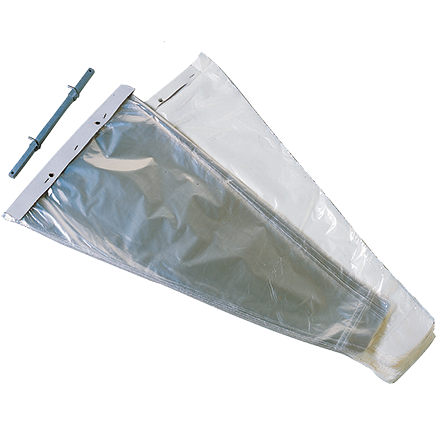
Most importantly, cross-merchandising programs need to be sustainable for store teams. Displays that are hard to stock, maintain, or restock usually struggle to get long-term results. Consider operational efficiency from the start. Merchandising systems that facilitate organization, easy replenishment, and flexible deployment enable retailers to keep execution strong while minimizing labor requirements.
Flexibility Creates More Selling Opportunities
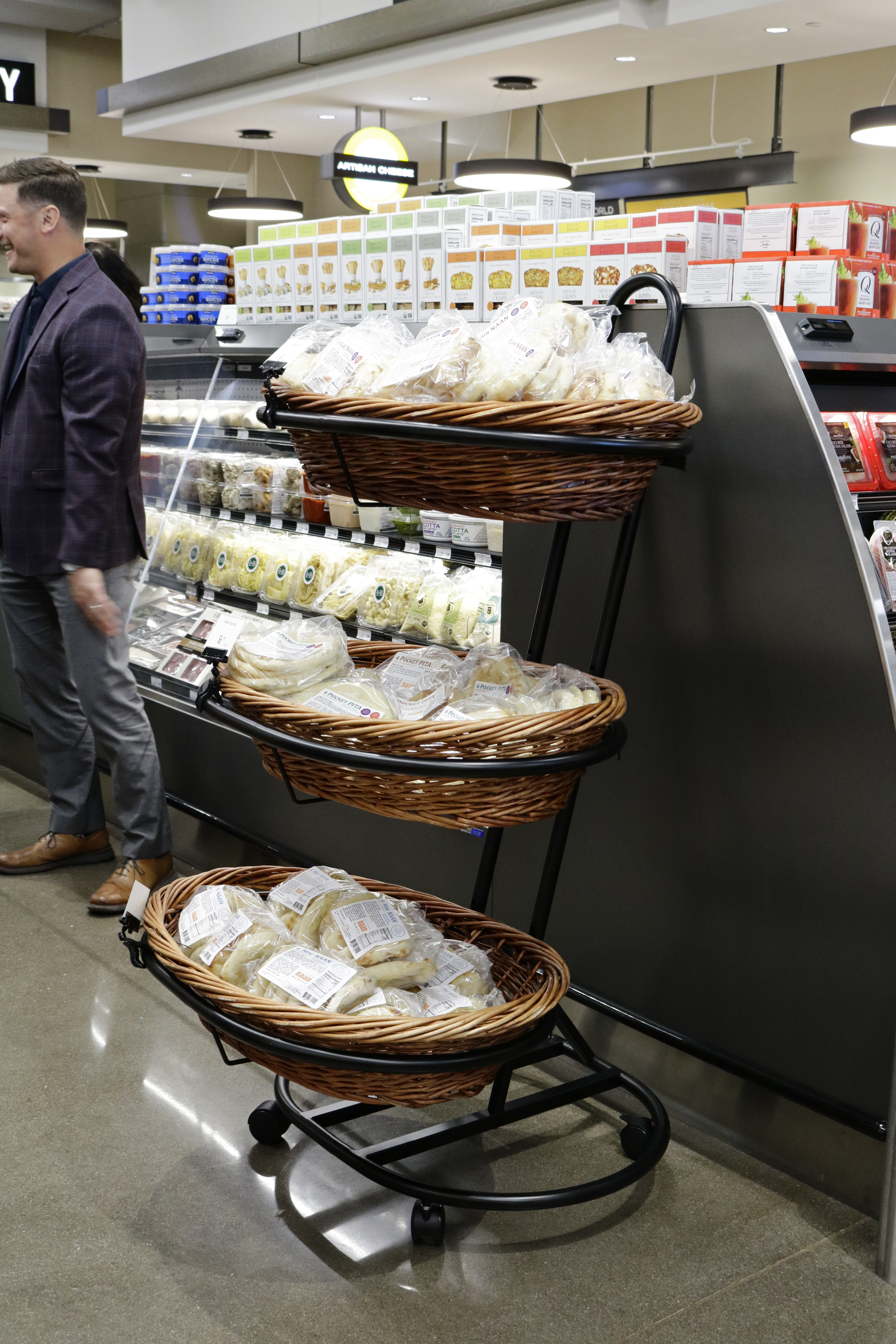
Retailers are moving toward more flexible merchandising strategies that allow displays to be relocated, reconfigured, and refreshed as opportunities arise.
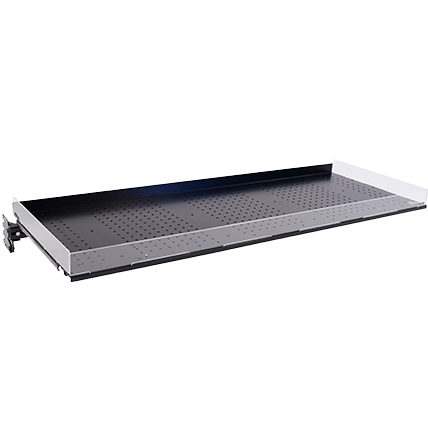
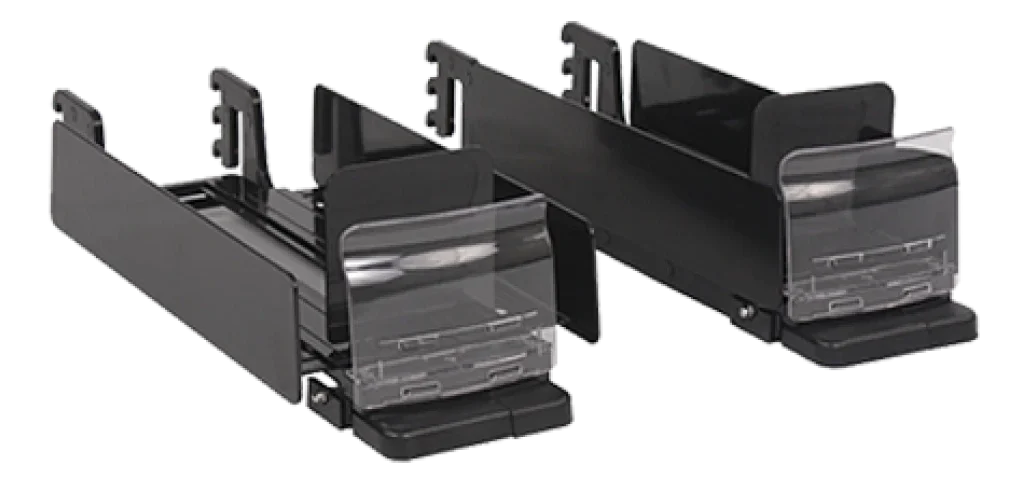
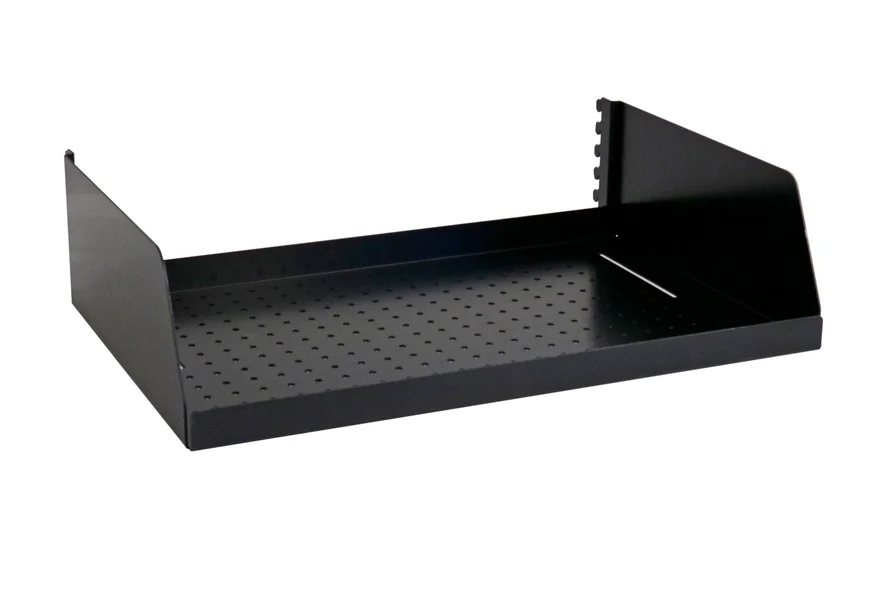
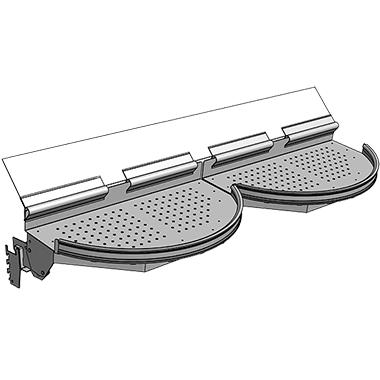
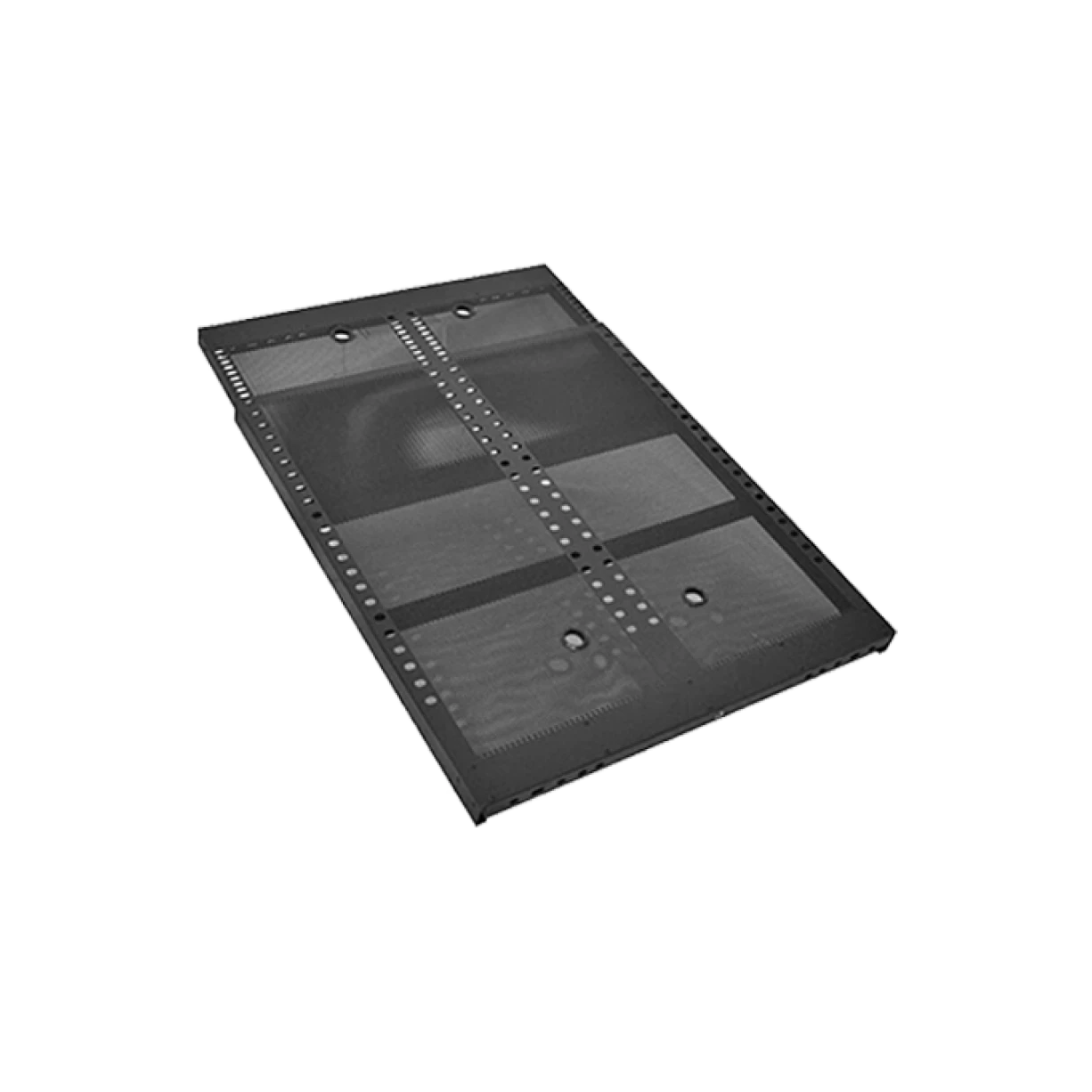
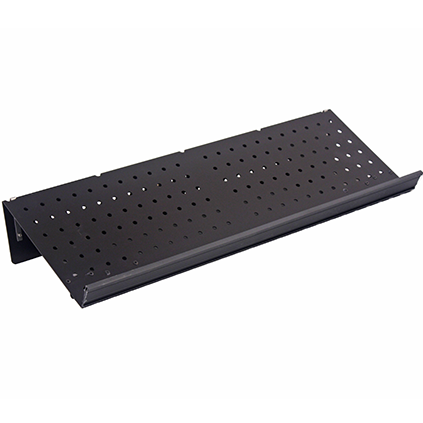
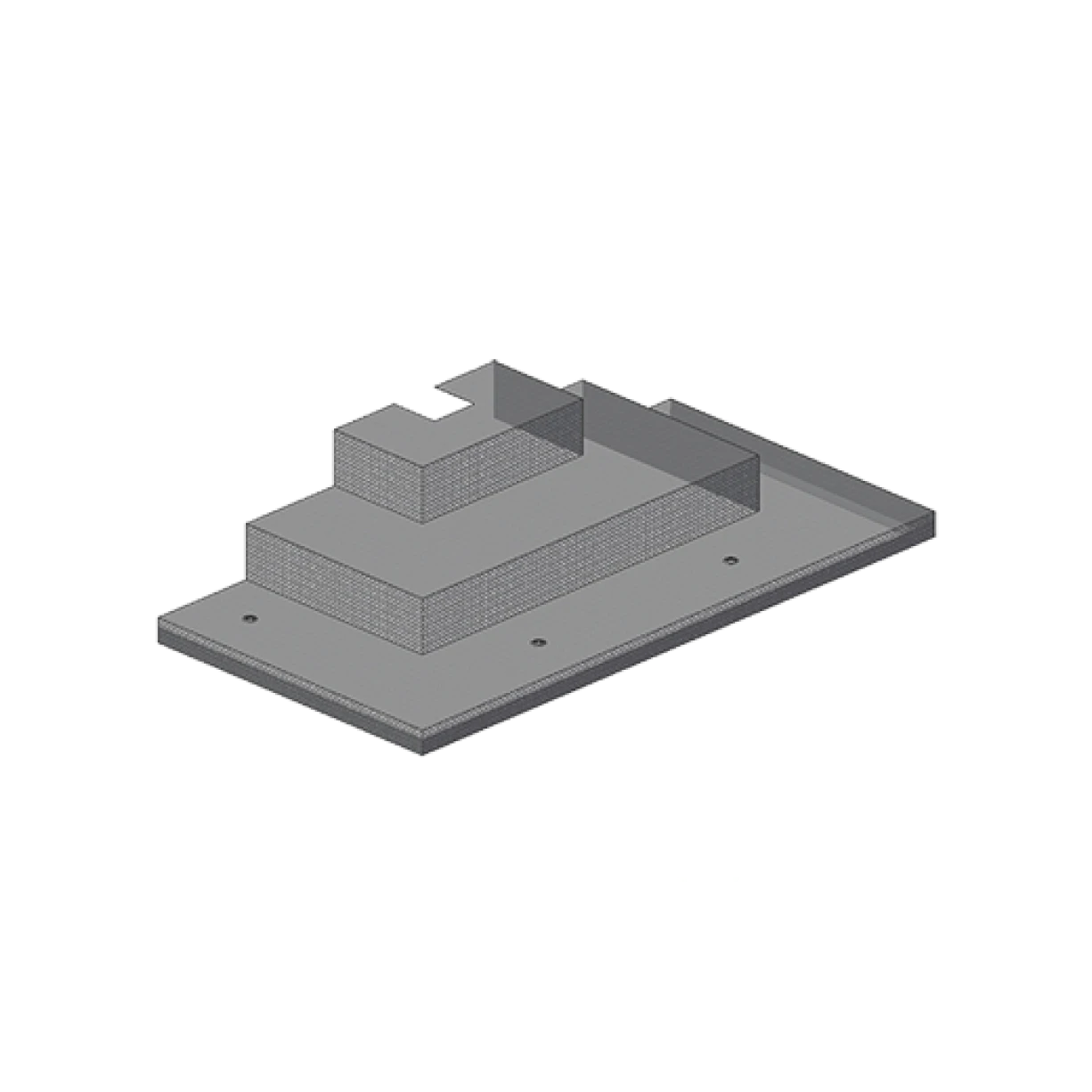
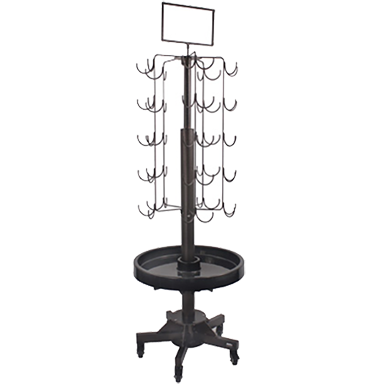
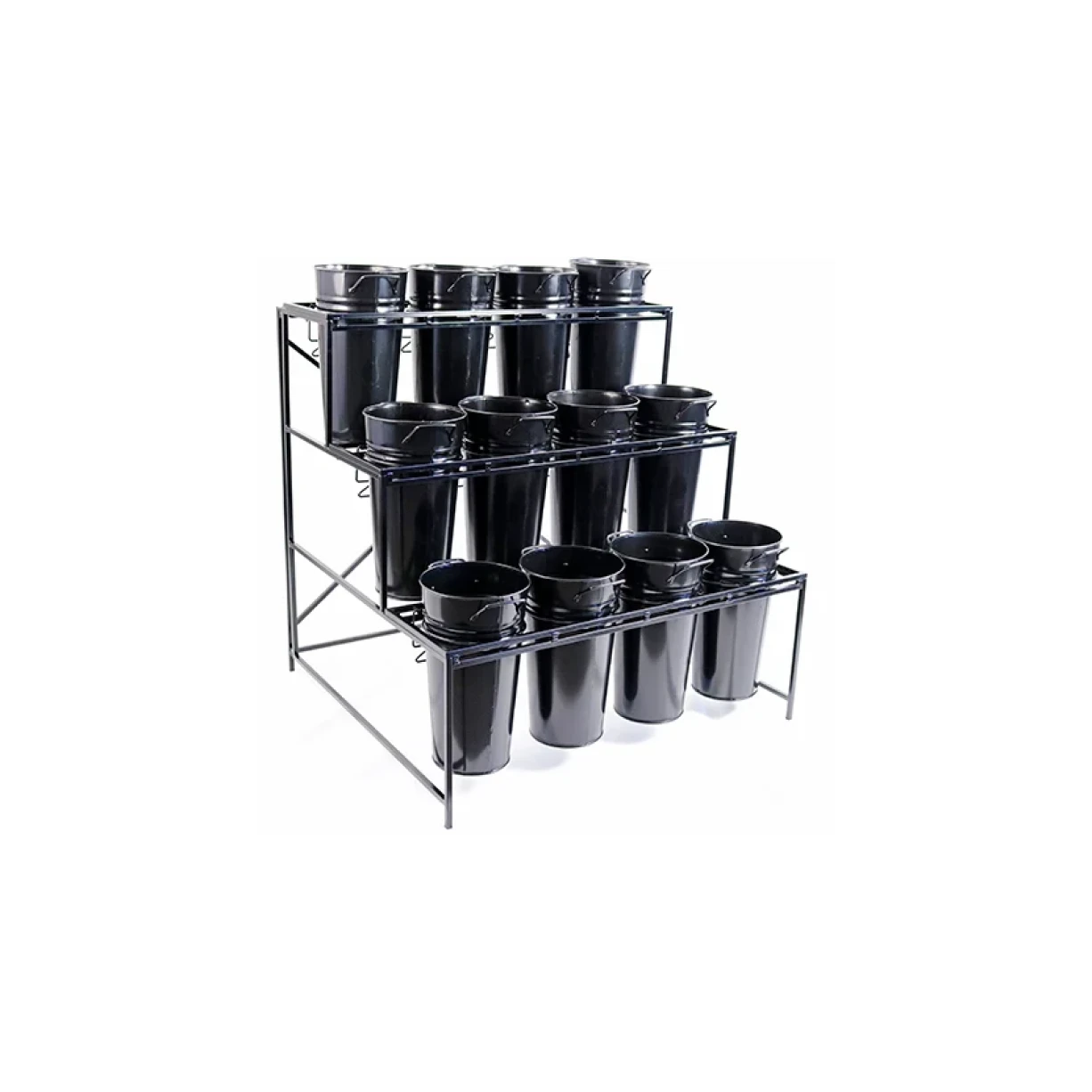
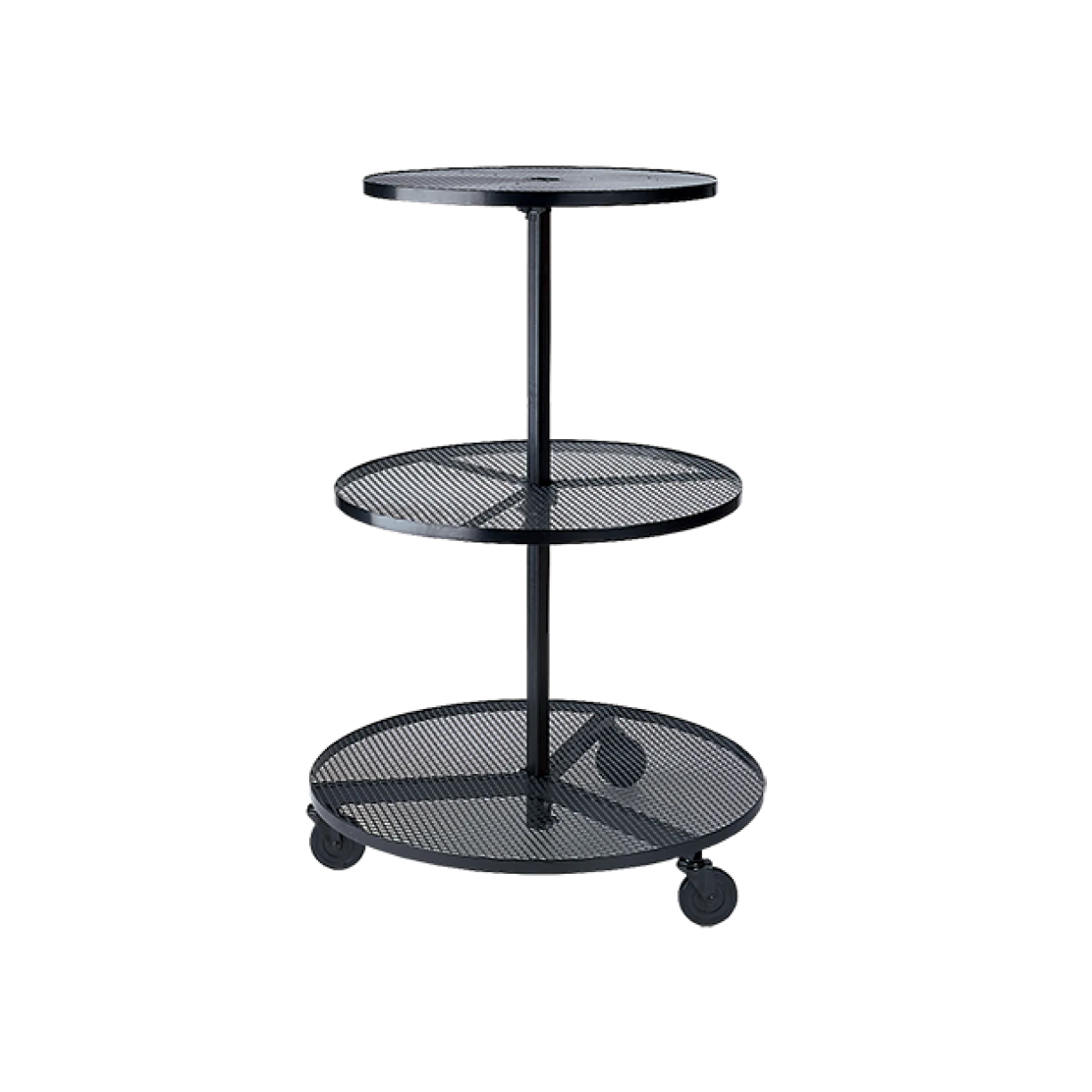
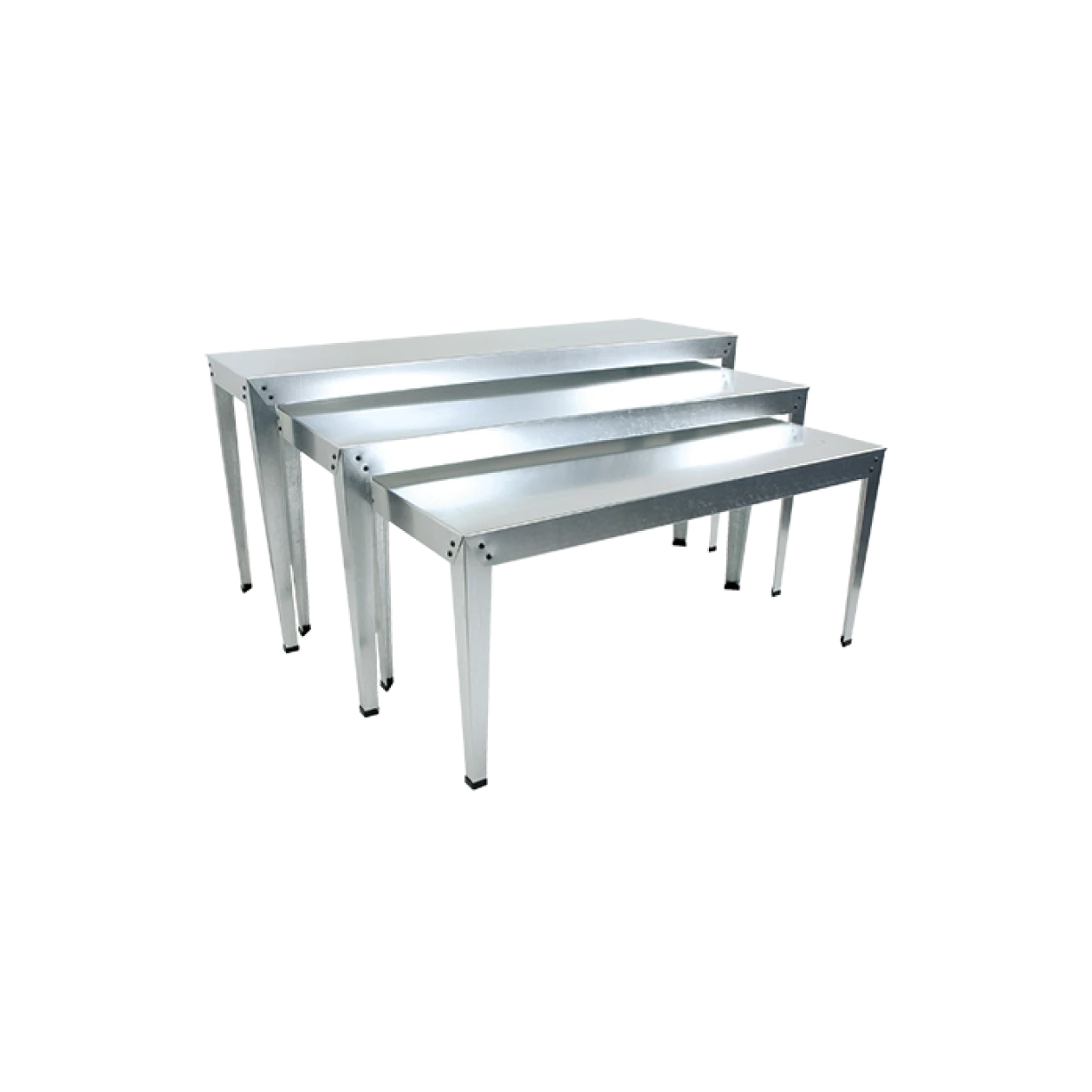
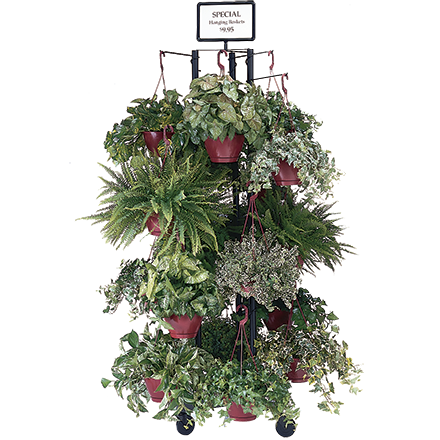
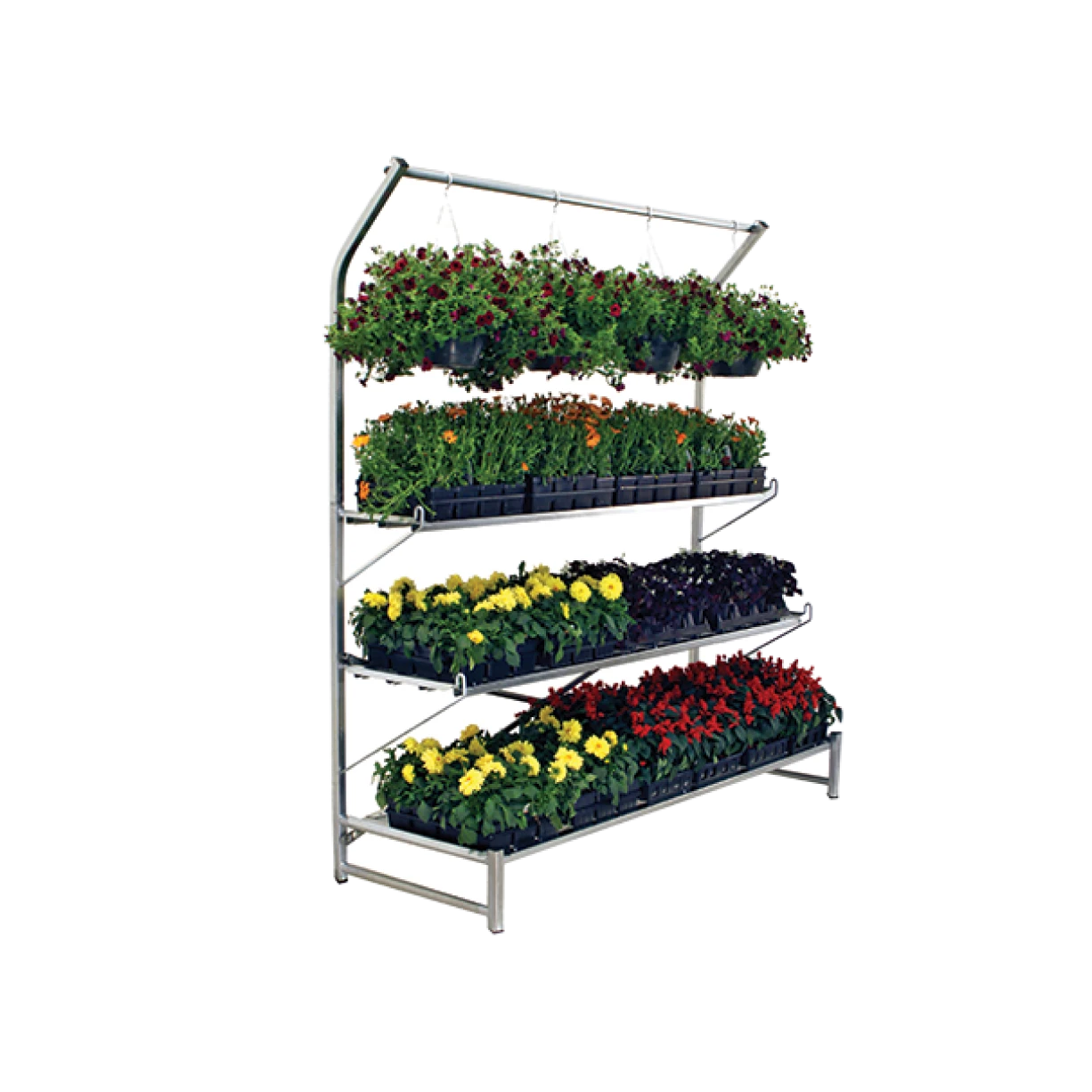
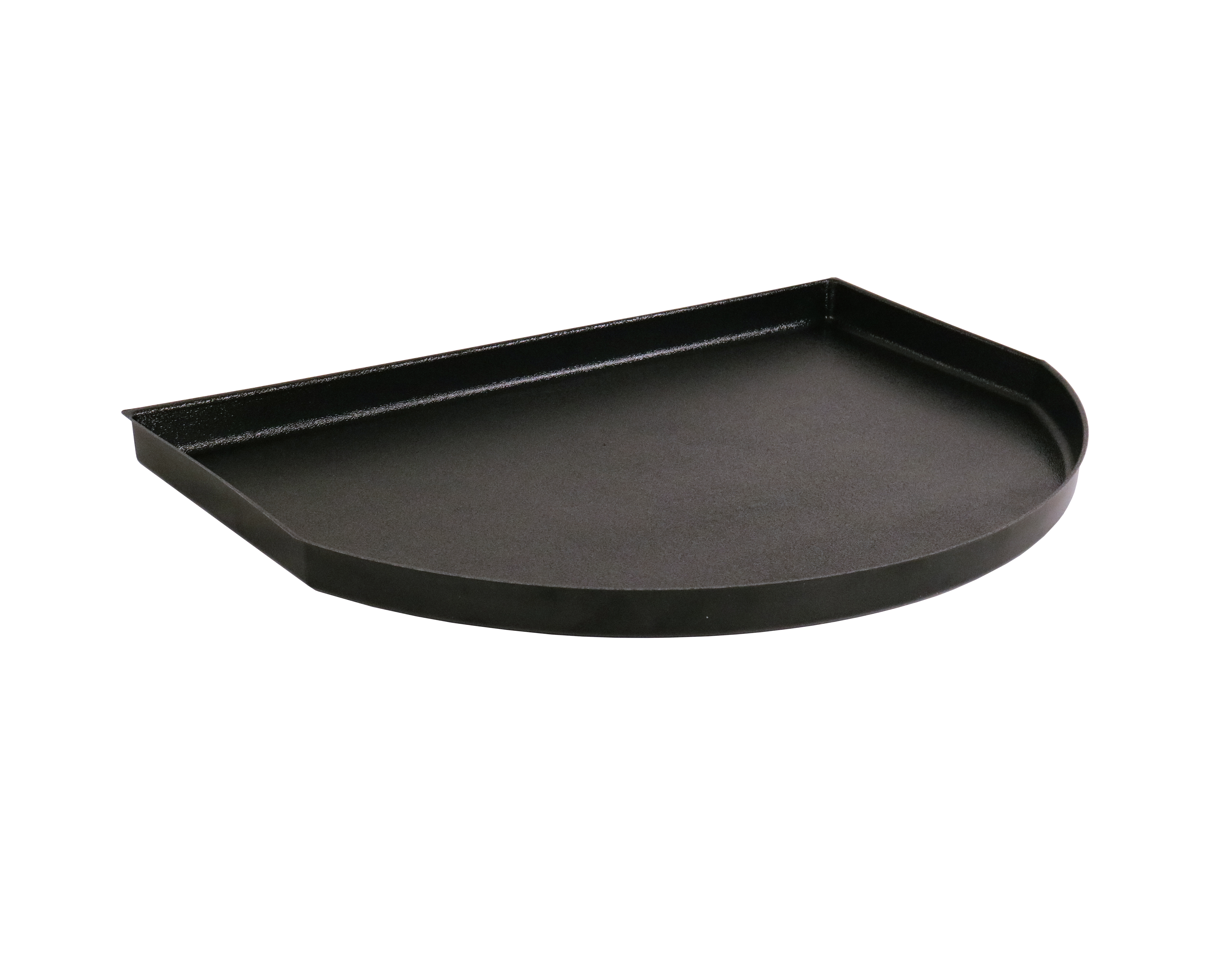
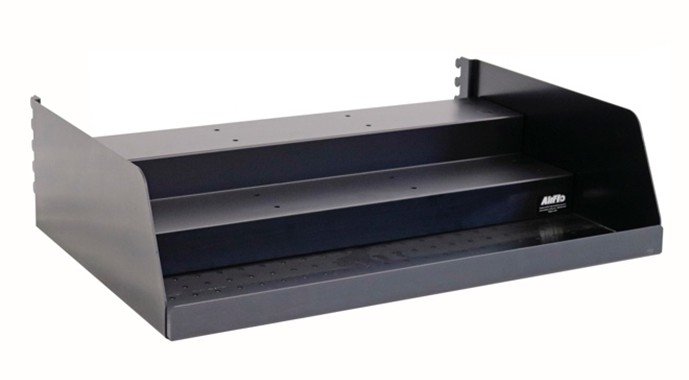
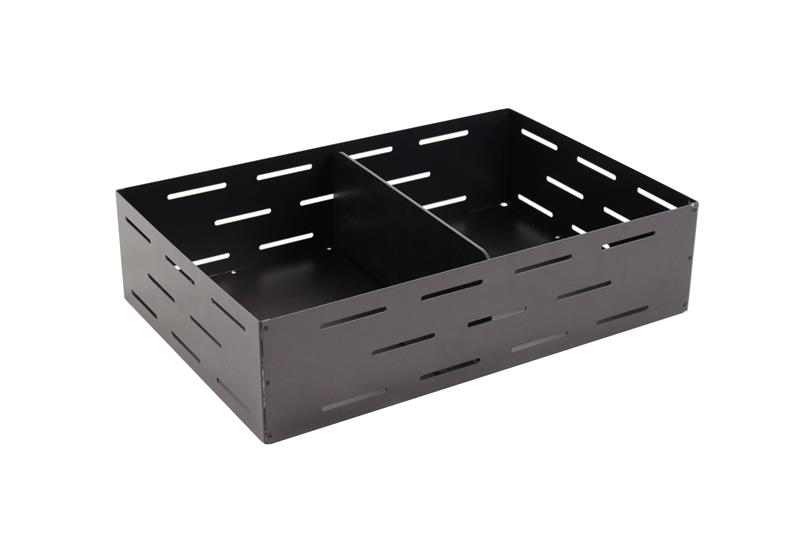
Mobile displays, adaptable shelving systems, and modular merchandising solutions make it easier to support seasonal products, local promotions, and special events without requiring permanent resets. Retailers can quickly create secondary placements, test new product combinations, or capitalize on emerging trends while maximizing the value of existing floor space.
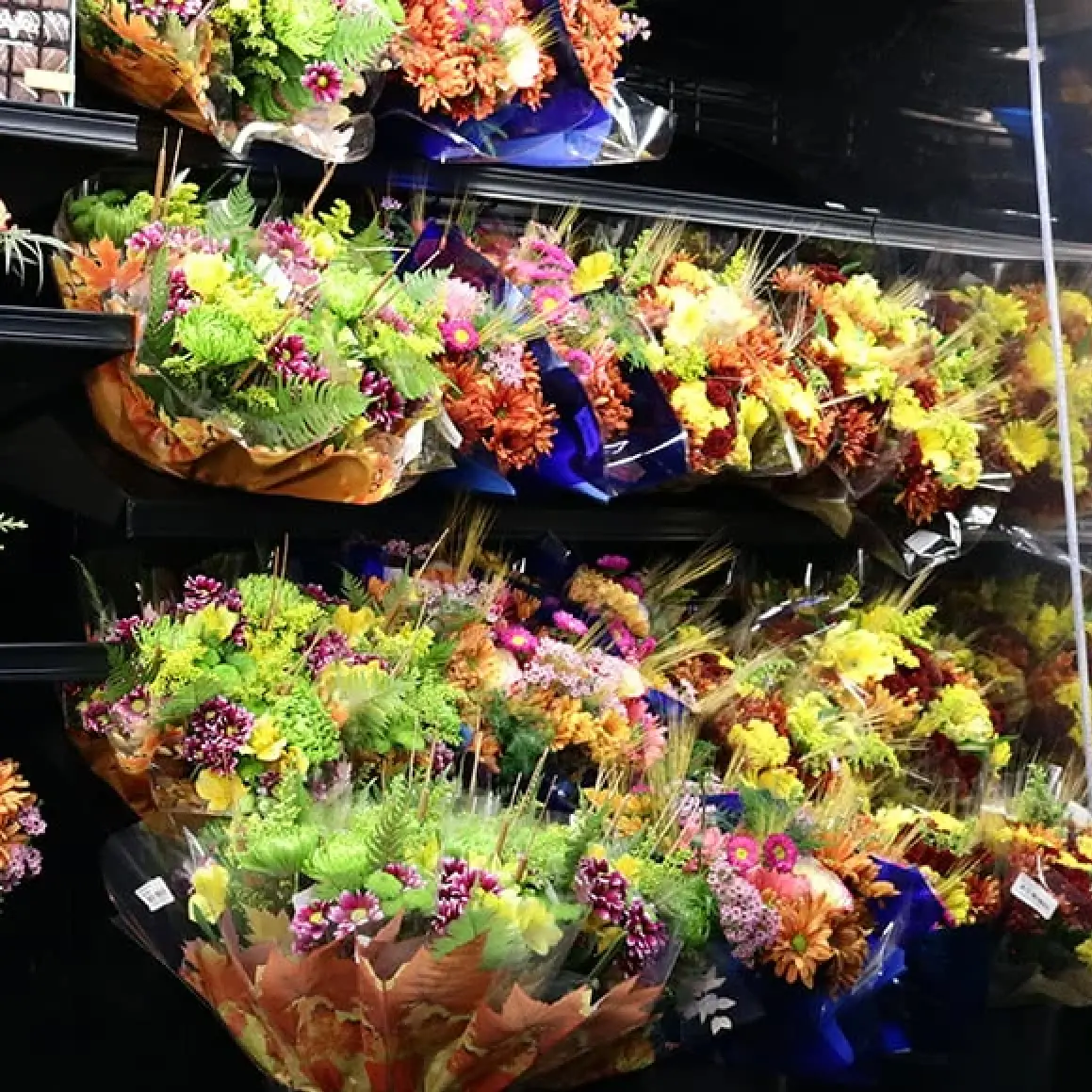
This flexibility also enables retailers to merchandise high-growth categories in multiple locations throughout the store. Secondary placements for berries, bananas, floral products, beverages, and grab-and-go solutions help increase exposure while supporting larger basket sizes.
The Future of Cross-Merchandising Success
As consumer expectations change, cross-merchandising will continue to be an important tool for driving sales, operational efficiencies and maximizing retail space. By focusing on shopper solutions, optimizing product visibility, using flexible merchandising strategies and using data to improve execution, retailers can consistently drive higher basket sizes and stronger department performance.